Friday, 6 December 2013

Final Image: My design as created by my partner


This is my final design, as created by Nini on me in the timed assessment. The overall look is inspired by the facets of Elizabeth's character; she is portrayed as having a dark and passionate private life, whilst showing herself publicly to be a woman of great poise and purity.
For this reason, the colours I have used in both makeup and hair vary from light to dark. The hairpiece itself was inspired when the task of gathering images for a mood board led me to a picture of frayed rope. I was interested that something which seems so strong could be affected by stress in a way that caused it to break, just like the way in which Elizabethans destroyed their hair through over-processing. I felt that the plaiting of the hair reflected the concept of a perfect rope and then the additional layers represent the degeneration of the material over time as it is placed under pressure. copying it and as my make-up look was half and half, it seemed appropriate to do an asymmetrical hair style. 
The shape of the hair piece is designed to reflect half of the traditional heart shaped Elizabethan hair. I wanted to make a nod to the shape without 
I feel I could have chosen better colour for my hair piece but I like the different layers within it and the long hair underneath reflects that of Elizabeth in her early reign. I feel it was a big challenge trying to create such height and shape on myself as I have a cropped hairstyle. I must commend Nini on how well she blended the extension with my natural hair as when I practiced this on myself I found it difficult to hide the join between natural and false.

Final Image: My partner's design, created by me


This is Nini's design, created in assessment on her by me. The orange and red tones are reflective of the rich colours worn by Elizabethan nobility and the hair is a modern take on the frizzed and crisped hair of the people in that era. 

The assessment went well, however, I would like to take more time preparing in future as the crimping process was time consuming as we went over on the hair which affected the makeup. Overall, I enjoyed creating this design as it it simple yet effective.

Studio Practice


In my own time and in the studio, I practiced styling hair on a dolls head. In these images you can see how I have created various looks by using different props in the hair. Ribbon work was created by looping ribbon around a grip and inserting the grip into the base of a plait... the ribbon was then incorporated in the plait by including it in one strand of the hair. I have also experimented with incorporating flowers into the hair as the Elizabethans wore flowers when they married. To work the flower into the hair I sectioned the hair into three and plaited the back section. I then formed the two front sections into ponytails and divided each ponytail into two sections. I plaited each of these sections and curved them over onto the head, pinning them into place to created a structure of rings. Once the structure was complete, I worked flowers into the rings of hair, creating a crown-like effect. In addition to this, you can also see how I used a traditional prop to create and authentic Elizabethan shape. 


Thursday, 5 December 2013

Inspired by Elizabeth!


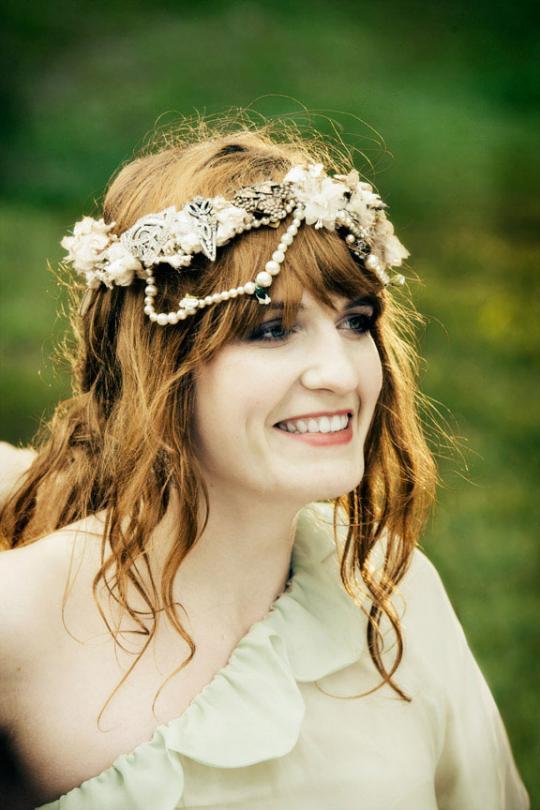
     It wasn't until I really started to think about it that I realised the sheer volume of styles and icons of our time which have been heavily influenced by the distinctive style of Elizabeth I. Both hair and make-up in Tim Burton's 'Alice in Wonderland' are very reflective of the style of that period, with varying tones of red hair which sits high on the head or wildly springs from beneath a hat and clashes beautifully with the pale, leaden faces. Then there are celebrities such as Paloma Faith, Tilda Swinton, Florence Welch and Christina Hendricks who share this dramatic colouring and can be seen here with hair which, for me, reflects the period in one way or another. For example, I have found this image of Welch which shows her head of flowing copper locks adorned with a wreath of flowers and jewels; something the Elizabethans would do to represent their purity at the time of marriage. For me, Swinton's look is the ultimate contemporary take on the look... Her hair is dyed an extreme shade of orange which draws attention to her pale complexion. The hair is short but styled upwards and back which gives her image a strength that cannot be overlooked. As I have short hair and this is something I will need to consider with my assessment design, I find it interesting how Tilda Swinton has struck the balance of modern and traditional whilst having such short hair. 


Elizabethan Hair: Descriptive Imagery


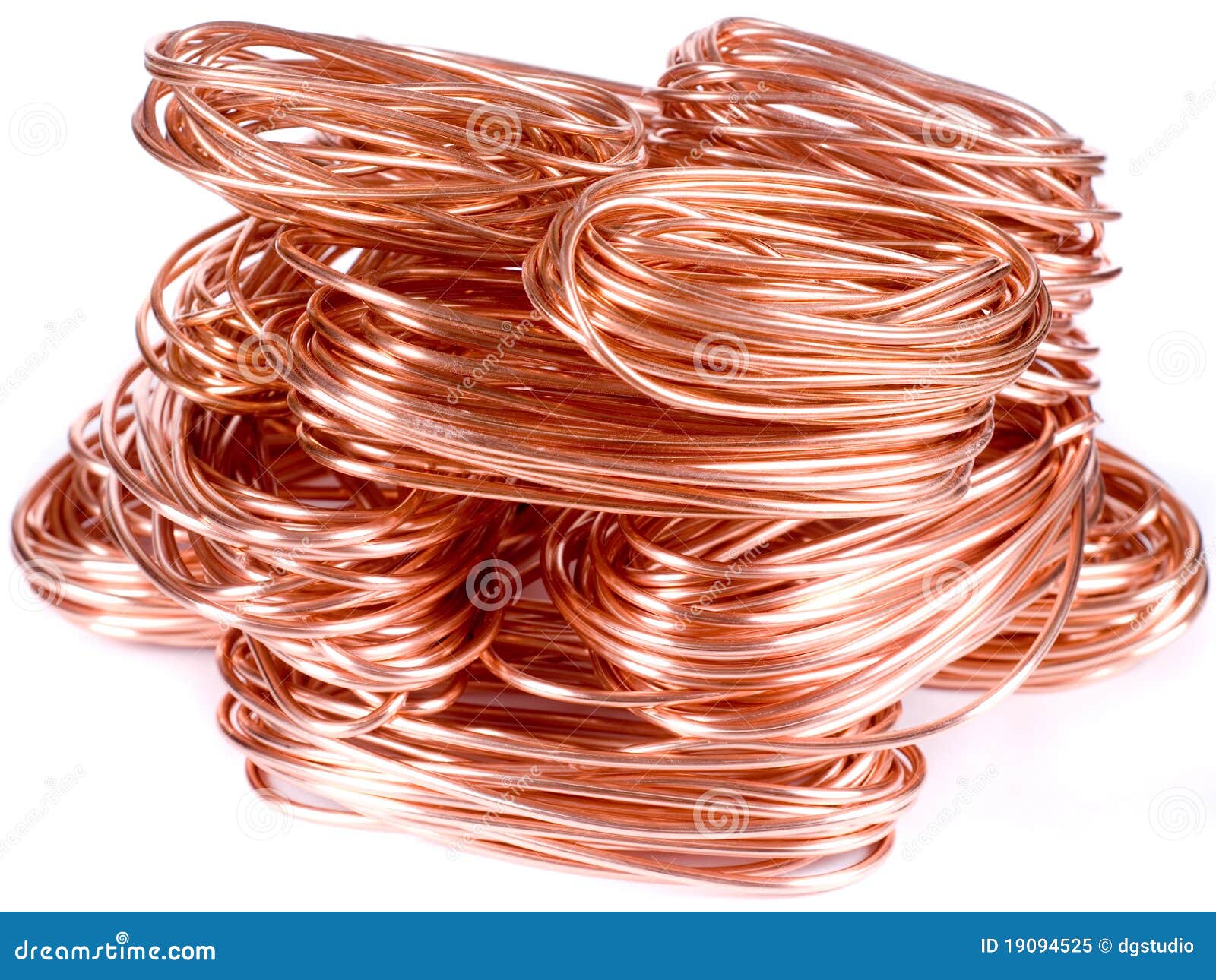
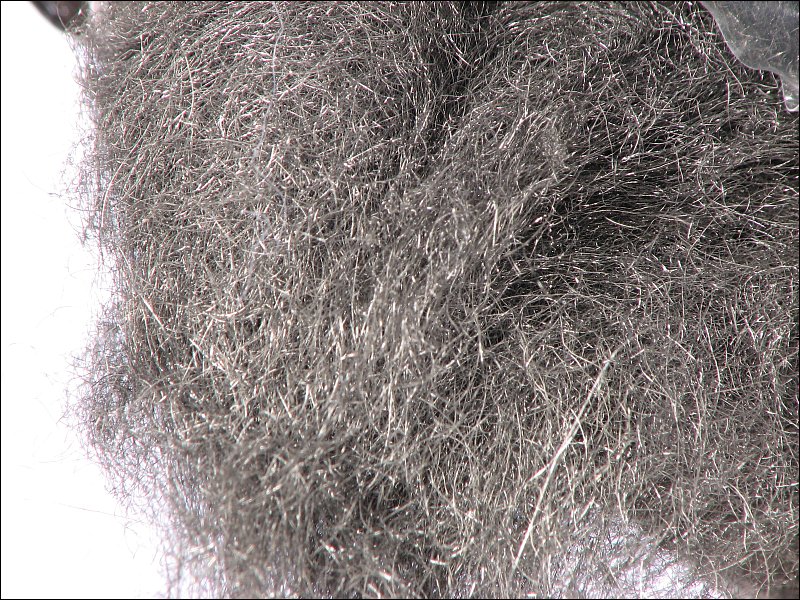
     These are just a small selection of images which I feel are reflective of the textures and colours of Elizabethan hair. I particularly like the tumbleweed idea as this is something which is found in arid environments where the sun has wilted plant life and caused it to die and break from it's roots... I felt this reflected the processes the Elizabethan ladies put their hair through to achieve a fashionably light colour. 
    The frayed rope is again reflective of a material under stress and as we know, the processing of hair in the Elizabethan age was harsh on the hair and would have left many ladies with patchy hair or even bald! I feel the shape of the rope could easily and effectively be incorporated into a hair piece using plaiting techniques. 

Wednesday, 27 November 2013

Elizabethan Hair Techniques

     Considering that Elizabeth I reigned almost 500 years ago, it's amazing how the people of the era did not allow the limitations they faced to prevent them from being innovators with regards to their hair. Far from the convenience of today's home hair dyes and electrical styling appliances, the people of the golden age had to think outside of the box to find way of altering the natural appearance of their hair. 
     Today, we take the most basic of styling aids for granted, such as hair grips. I know that when I had long hair, I would get through hundreds of grips as they are easily lost and damaged but I couldn't live without them. Rewind to the 1500s and this most simple of tools was not available to women of the period so they fastened their hair by sewing it into place with ribbons. Whilst this is much more time consuming than to pop in a few grips, it had it's benefits; hair could be styled before sleeping and it would retain it's form for days! 
     Another popular hair feature of the time was to be fair or red-haired... But this was difficult and quite disgusting for the Elizabethans to achieve. As a naturally dark haired woman, I have had my hair professionally lightened to achieve a red colour. For me, this was a simple process of visiting a salon and having a colour correction treatment in which a low peroxide solution was applied to my hair and placed under heat, extracting the existing dye and preparing my hair for a bright red colourant to be applied. Below you can see my hair close to it's natural colour and the result after the dying process (please note, this was not my own work but the work of a professional hairdresser at 'The Egg' in Norwich)


     Unfortunately, it was not so simple if you were around in Elizabethan times. To lighten their hair they used some hideous substances like oil and urine which was applied to the hair and then slowly cooked in the heat of the sun. The problem with this method was that the sun would colour the skin, but the favoured complexion was one of alabaster white. To prevent their skin tanning as their hair bleached, the ladies would wear a kind of hat which only had a brim... the hair would be fed through the hole in the crown to be exposed to the sun, whilst the brim of the hat would protect their faces. Genius!


Friday, 15 November 2013

A Short History of Hair

     In the Elizabethan era (1558-1603) hair styles were heavily influenced by the monarch, Queen Elizabeth I. A famous red head with a pearly alabaster complexion, the Queen had a very distinctive style which was considered as the image of beauty by the Elizabethan people and was therefore widely emulated. 
      In this period of history, it was easy to differentiate married women from single young women as for the former the hair was worn swept up (a trend which accommodated the fashionable ruffs of the era); for the latter, hair was long and flowing as this was thought to be representative of innocence. Young brides would decorate their heads with flowers as this was also seen as a mark of purity and virginity. 
     The up-do favoured by Elizabeth in the latter part of her reign was a curled and frizzed style, formed into a heart shape around a prop known as a 'rat'. Hair was curled using small, cylindrical irons which were heated in the fire... A kind of early version of the modern electrical tongs we are so familiar with today. Once the hair was styled, curls were then set using waxes and gums which have inspired some of the products we still use in out hair today.

     Since the Elizabethan age, hair styles and techniques have moved on greatly but throughout the many decades since her reign, we have continued to take inspiration from Elizabeth and her people. Examples of this are pin curls in the 1920s:


Structure in the 1940s:


Softer waves and curls in the 50s


Height in the 60s:


    These examples are all loosely reflective of Elizabeth's style and with the recent rise in the popularity of vintage styling, we continue to see many people adopt these looks. Celebrities such as Rihanna and Paloma Faith have been instrumental in the surge in popularity of red hair, with other stars such as Dita Von Teese and Adele influencing the return of structural hair dos. With the progression in styling and techniques in mind, we can begin to understand how we might contemporise the authentic Elizabethan look for modern interpretations of the style.