Friday, 6 December 2013

Final Image: My design as created by my partner


This is my final design, as created by Nini on me in the timed assessment. The overall look is inspired by the facets of Elizabeth's character; she is portrayed as having a dark and passionate private life, whilst showing herself publicly to be a woman of great poise and purity.
For this reason, the colours I have used in both makeup and hair vary from light to dark. The hairpiece itself was inspired when the task of gathering images for a mood board led me to a picture of frayed rope. I was interested that something which seems so strong could be affected by stress in a way that caused it to break, just like the way in which Elizabethans destroyed their hair through over-processing. I felt that the plaiting of the hair reflected the concept of a perfect rope and then the additional layers represent the degeneration of the material over time as it is placed under pressure. copying it and as my make-up look was half and half, it seemed appropriate to do an asymmetrical hair style. 
The shape of the hair piece is designed to reflect half of the traditional heart shaped Elizabethan hair. I wanted to make a nod to the shape without 
I feel I could have chosen better colour for my hair piece but I like the different layers within it and the long hair underneath reflects that of Elizabeth in her early reign. I feel it was a big challenge trying to create such height and shape on myself as I have a cropped hairstyle. I must commend Nini on how well she blended the extension with my natural hair as when I practiced this on myself I found it difficult to hide the join between natural and false.

Final Image: My partner's design, created by me


This is Nini's design, created in assessment on her by me. The orange and red tones are reflective of the rich colours worn by Elizabethan nobility and the hair is a modern take on the frizzed and crisped hair of the people in that era. 

The assessment went well, however, I would like to take more time preparing in future as the crimping process was time consuming as we went over on the hair which affected the makeup. Overall, I enjoyed creating this design as it it simple yet effective.

Studio Practice


In my own time and in the studio, I practiced styling hair on a dolls head. In these images you can see how I have created various looks by using different props in the hair. Ribbon work was created by looping ribbon around a grip and inserting the grip into the base of a plait... the ribbon was then incorporated in the plait by including it in one strand of the hair. I have also experimented with incorporating flowers into the hair as the Elizabethans wore flowers when they married. To work the flower into the hair I sectioned the hair into three and plaited the back section. I then formed the two front sections into ponytails and divided each ponytail into two sections. I plaited each of these sections and curved them over onto the head, pinning them into place to created a structure of rings. Once the structure was complete, I worked flowers into the rings of hair, creating a crown-like effect. In addition to this, you can also see how I used a traditional prop to create and authentic Elizabethan shape. 


Thursday, 5 December 2013

Inspired by Elizabeth!


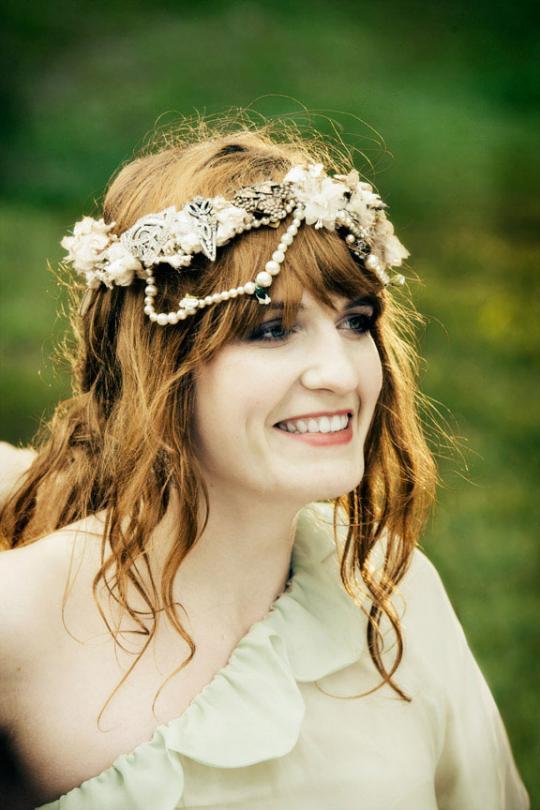
     It wasn't until I really started to think about it that I realised the sheer volume of styles and icons of our time which have been heavily influenced by the distinctive style of Elizabeth I. Both hair and make-up in Tim Burton's 'Alice in Wonderland' are very reflective of the style of that period, with varying tones of red hair which sits high on the head or wildly springs from beneath a hat and clashes beautifully with the pale, leaden faces. Then there are celebrities such as Paloma Faith, Tilda Swinton, Florence Welch and Christina Hendricks who share this dramatic colouring and can be seen here with hair which, for me, reflects the period in one way or another. For example, I have found this image of Welch which shows her head of flowing copper locks adorned with a wreath of flowers and jewels; something the Elizabethans would do to represent their purity at the time of marriage. For me, Swinton's look is the ultimate contemporary take on the look... Her hair is dyed an extreme shade of orange which draws attention to her pale complexion. The hair is short but styled upwards and back which gives her image a strength that cannot be overlooked. As I have short hair and this is something I will need to consider with my assessment design, I find it interesting how Tilda Swinton has struck the balance of modern and traditional whilst having such short hair. 


Elizabethan Hair: Descriptive Imagery


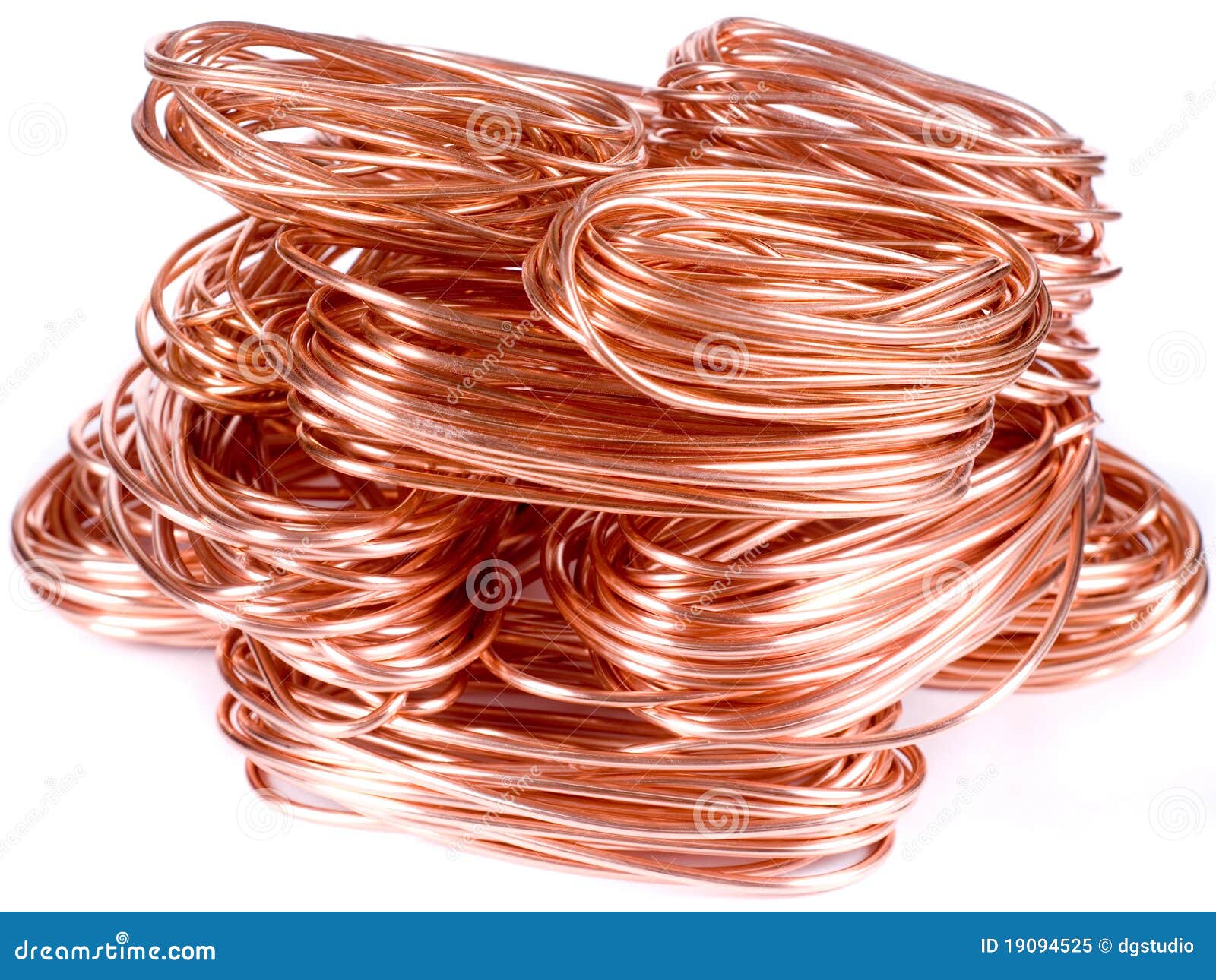
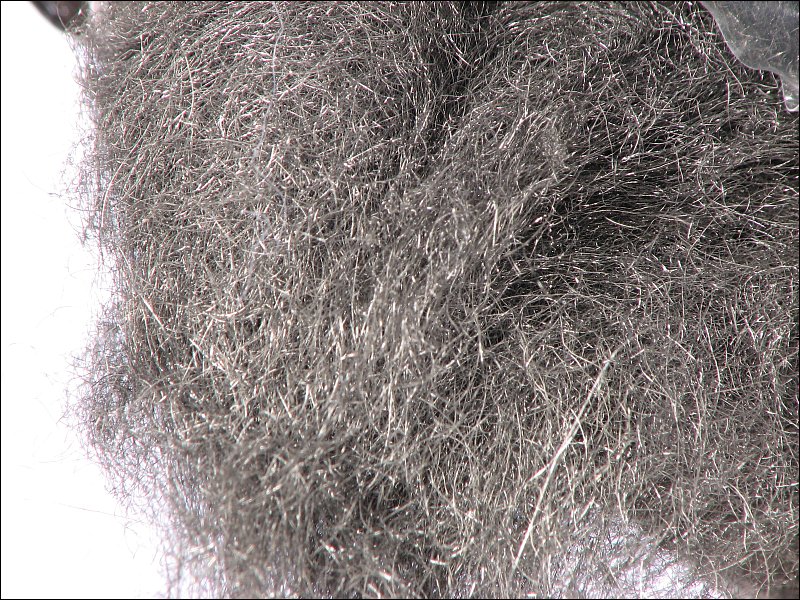
     These are just a small selection of images which I feel are reflective of the textures and colours of Elizabethan hair. I particularly like the tumbleweed idea as this is something which is found in arid environments where the sun has wilted plant life and caused it to die and break from it's roots... I felt this reflected the processes the Elizabethan ladies put their hair through to achieve a fashionably light colour. 
    The frayed rope is again reflective of a material under stress and as we know, the processing of hair in the Elizabethan age was harsh on the hair and would have left many ladies with patchy hair or even bald! I feel the shape of the rope could easily and effectively be incorporated into a hair piece using plaiting techniques. 

Wednesday, 27 November 2013

Elizabethan Hair Techniques

     Considering that Elizabeth I reigned almost 500 years ago, it's amazing how the people of the era did not allow the limitations they faced to prevent them from being innovators with regards to their hair. Far from the convenience of today's home hair dyes and electrical styling appliances, the people of the golden age had to think outside of the box to find way of altering the natural appearance of their hair. 
     Today, we take the most basic of styling aids for granted, such as hair grips. I know that when I had long hair, I would get through hundreds of grips as they are easily lost and damaged but I couldn't live without them. Rewind to the 1500s and this most simple of tools was not available to women of the period so they fastened their hair by sewing it into place with ribbons. Whilst this is much more time consuming than to pop in a few grips, it had it's benefits; hair could be styled before sleeping and it would retain it's form for days! 
     Another popular hair feature of the time was to be fair or red-haired... But this was difficult and quite disgusting for the Elizabethans to achieve. As a naturally dark haired woman, I have had my hair professionally lightened to achieve a red colour. For me, this was a simple process of visiting a salon and having a colour correction treatment in which a low peroxide solution was applied to my hair and placed under heat, extracting the existing dye and preparing my hair for a bright red colourant to be applied. Below you can see my hair close to it's natural colour and the result after the dying process (please note, this was not my own work but the work of a professional hairdresser at 'The Egg' in Norwich)


     Unfortunately, it was not so simple if you were around in Elizabethan times. To lighten their hair they used some hideous substances like oil and urine which was applied to the hair and then slowly cooked in the heat of the sun. The problem with this method was that the sun would colour the skin, but the favoured complexion was one of alabaster white. To prevent their skin tanning as their hair bleached, the ladies would wear a kind of hat which only had a brim... the hair would be fed through the hole in the crown to be exposed to the sun, whilst the brim of the hat would protect their faces. Genius!


Friday, 15 November 2013

A Short History of Hair

     In the Elizabethan era (1558-1603) hair styles were heavily influenced by the monarch, Queen Elizabeth I. A famous red head with a pearly alabaster complexion, the Queen had a very distinctive style which was considered as the image of beauty by the Elizabethan people and was therefore widely emulated. 
      In this period of history, it was easy to differentiate married women from single young women as for the former the hair was worn swept up (a trend which accommodated the fashionable ruffs of the era); for the latter, hair was long and flowing as this was thought to be representative of innocence. Young brides would decorate their heads with flowers as this was also seen as a mark of purity and virginity. 
     The up-do favoured by Elizabeth in the latter part of her reign was a curled and frizzed style, formed into a heart shape around a prop known as a 'rat'. Hair was curled using small, cylindrical irons which were heated in the fire... A kind of early version of the modern electrical tongs we are so familiar with today. Once the hair was styled, curls were then set using waxes and gums which have inspired some of the products we still use in out hair today.

     Since the Elizabethan age, hair styles and techniques have moved on greatly but throughout the many decades since her reign, we have continued to take inspiration from Elizabeth and her people. Examples of this are pin curls in the 1920s:


Structure in the 1940s:


Softer waves and curls in the 50s


Height in the 60s:


    These examples are all loosely reflective of Elizabeth's style and with the recent rise in the popularity of vintage styling, we continue to see many people adopt these looks. Celebrities such as Rihanna and Paloma Faith have been instrumental in the surge in popularity of red hair, with other stars such as Dita Von Teese and Adele influencing the return of structural hair dos. With the progression in styling and techniques in mind, we can begin to understand how we might contemporise the authentic Elizabethan look for modern interpretations of the style. 


Who Were The Elizabethans?

     The Elizabethan era or 'The Golden Age' ran from 1558-1603 when Britain was under the reign of Queen Elizabeth I. Throughout the era, the country thrived economically and enjoyed a rich culture of music, theatre and literature. In addition to this, our military triumphed over Spain in the Spanish Armada of 1588.
      Perhaps the most notable individual of the day, aside from the monarch herself, was William Shakespeare whose theatre and poetry works are still studied in schools today. Many interpretations of the prolific playwright's creations can still be seen in theatres across the world and the language used within these, as well as the costumes and staging, are an excellent resource in understanding the people of the era. 
     Education throughout the era was improving, with grammar schools available to the middle class and the availability of information was enhanced by the development of printing techniques, making books more widely available. In addition to this, theatre was utilised as a tool for influencing and educating the masses as it was cheap and reached wide and varied audiences, including the lower classes. As education was bettered, the employment situation improved. The population had taken a knock due to bouts of the plague and as a result of this, even peasants were now paid a small fee for their labour. As we know, better rates of employment stimulate the economy and whilst the Elizabethan poor were very poor, generally the country and it's people were doing well. 
     In an age where so much stood out, it is unsurprising that the fashions of the day were unique and distinctive. Influenced most strongly by the Queen herself, the Elizabethans were very much alike in style. Without the subcultures we are so familiar with today, what really divided the people of the golden age was the definite class system of the time. The heavy fabrics and intricate embroideries which we imagine when we think of this period were exclusive to the monarchy and aristocracy, whilst lower classes were limited in their choice of attire by the 'Statutes of Apparel'. This was known formally as the Sumptuary Law which was implemented by the Queen to ensure that the class system retained a clear structure; breaches of this law carried heavy penalties. 
     

Monday, 4 November 2013

Hair design

      Using the research I have compiled and the knowledge I have gained on the era, I am now beginning to produce hair designs based on the Elizabethan period. I will be producing my designs on paper and then practising them in 3D to determine how well they translate from theory to reality. Here you can see some of my initial designs and my reflections on them. Through this design development process, I aim to reach a final design which I can then produce in my timed assessment. 

Design One; Front View:


Design One; Back View:


     In my first design I have illustrated my idea using watercolour pencils. I have considered the different levels in the hair, the shape I want to create and how this related to the Elizabethan theme. I have illustrated height at the front of the head as hair teased high onto the head was common in Elizabethan fashion and I feel that this is vaguely reflective of a crown. Towards the back I have visualised four buns formed in doughnut shape as the style of the time was very decorative and elaborate. On reflection, it would have been better to keep the height at the front but leave the back plain or have the hair flowing down the back as this would contemporise the look.

Design Two; Front View:


Design Two; Back View:


     In this second design, I have used oil pastels as I like the way the colours blend together to create the texture of hair. In this design, I have considered what I liked and disliked about my initial idea. After considering these factors, I have kept the height at the front of this design and left the hair flowing to one side at the back. I have created an asymmetry as I feel this makes the look more modern, whilst still keeping the half up, half down element which references my inspiration. 

Celebrity Hair Crush!

     After hundreds of years, it's amazing to see how the Elizabethans are still inspiring the hair of today! Whilst techniques have moved on and styles have evolved, it's safe to say that some of us have hair which still subtly echoes the fashions of the period. One star I love for this is Paloma Faith as her flowing red locks are always styled to perfection in elaborate up-dos which contrast beautifully with her delicate alabaster complexion. Very Elizabeth!


Sunday, 27 October 2013

Elizabethan transformations!

For this task, we took the pictures we chose to describe 'smart' and 'wild' and added Elizabethan details by drawing and painting onto the image. As this industry is about transformation, I have reversed the styles of the pictures using the details I have added. As you can see from my previous post, I picked an image of a beehive to depict 'smart' and, as you can see below, I have now transformed this to reflect 'wild' Elizabethan hair. I follow the lines of the original style but have added in curls and coloured the hair red as would have been the fashion of the era.


Again, I have transformed the image of 'wild' afro hair into a sleek, heavily style Elizabethan look. For these two pieces I used a mixture of oil pastels and cosmetics to achieve the depth of colour over the top of each print out. 

Week 3: Design task


For this task we were asked to take key words from our Elizabethan quotes on hair and translate them into a design using raw materials. As the quote I originally chose did not contain enough information for this task, I chose an alternative:

"Then followeth the trimming and tricking of their heds in laying out their hair to the show, which of force must be curled, frizled and crisped, laid out on wreathes & borders from one eare to an other. And lest it should fall down, it is underpropped with forks, wyres, & I can not tel what, rather like grim stern monsters, than chaste christian matrones. Then on the edges of their bolstered heir (for it standeth crested round about their frontiers, & hanging over their faces like pendices or vails with glasse windows on every side) there is layd great wreathes of gold and silver, curiously wrought & cunningly applied to the temples of their heads. And for feare of lacking any thing to set foorth their pride withal, at their heyre, thus wreathed and crested, are hanged bugles, ouches, rings, gold, silver, glasses , & such other gewgawes and trinckets besides, which, for that they be innumerable, and I unskilfull in wemens terms, I cannot easily recount."

We were also paired with another member of the group, to whom we communicated instructions on how to create the look we had designed. We then each created the same design as an exercise to show how the same thing can be interpreted differently by each individual and how proper communication can aid in producing a uniformity in the work created by a team of individuals. Above, you can see how I produced my own design and below, how my colleague produced it based on my instructions, below. 

Friday, 18 October 2013

Redheads and Royalty; An Introduction

Over the course of this unit, I will be researching and exploring the hairstyles and styling techniques favoured by and available to the people of the Elizabethan period. This will involve looking at period portraiture and identifying how style and colour represent class, age and social status.

From this I will be accurately reproducing the styles of the day in practical sessions and using my knowledge to develop a contemporary design inspired by what I have found. In order to develop this design to a high standard, I will be referencing existing contemporary interpretations of Elizabethan hair and discussing how this could be further adapted and modernised into a design of my own. 

I will also be following professional practice procedures and completing hair consultations on another member of the group before designing and realising for them inspired by what I have learnt about the period. All of these practices will enable me to develop and perfect the skills I will need to complete a two-hour timed assessment, in which I will realise my final hair design. 

Sunday, 6 October 2013

Elizabethan Hair: An Authentic Description

“My mistress' eyes are nothing like the sun 
Coral is far more fair than her lips fair 
If snow be white, why then, her breast is dun, 
If hair be wires, black wires grow on her head. 
I have seen roses damasked, red and white, 
But no such roses see I in her cheeks...” 
 ~ William Shakespeare
(Leed, 2008)

     I think this quote is interesting because it contradicts the typical idea of beauty, particularly of that period. We know that the desired hair colour of that time would have been blonde or red, as many women, particularly members of the nobility, wished to emulate the Queen who was a natural redhead. The fact that Shakespeare describes his Mistress as being black haired, suggests that perhaps she did not follow the fashions of the day and this could be an indication of her lower class status. 
     Generally, women who had the wherewithal to emulate a fair-haired look achieved this by stripping their natural colour and dying it a more desirable shade, or by simply wearing wigs. Unfortunately, haircare methods were not researched and developed as they are today and the crude techniques ladies used to achieve the styles they wanted often led to hair being severely damaged and "Wiry" as Shakespeare describes above. One such example of an Elizabethan era hair bleaching technique is the use of Oil of Vitriol. As  Sherrow (2006, 115) states in 'An Encyclopedia of Hair: A Cultural History', 

"Since Vitriol was a corrosive agent, the use of the product could cause hair loss. Other dyes also contained corrosive ingredients that damaged both the scalp and hair. Hair lightening liquids made with sulphuric acid often caused the hair to fall out."  

Thankfully, today we have modern methods for processing hair which can achieve a change in colour without such disastrous results!

An image which I feel reflects Shakespeare's description of Elizabethan hair. I also think the shape of this afro style is reflective of the gravity-defying forms in which Elizabethan women presented their own hair.


Leed, D. (2008). Elizabethan Make-Up 101. Available: http://www.elizabethancostume.net/makeup.html. Last accessed 11th Oct 2013.

Sherrow, v (2006). Encyclopedia of Hair: A Cultural History. Westport, CT: Greenwood Publishing Group. 115.


Descriptive Imagery; Connotations of 'Smart' and 'Wild'

When I think of  'Smart' hair my mind always flits to Audrey Hepburn playing Holly Golightly in 'Breakfast at Tiffany's'. That cigarette holder, the long black dress and that beehive all just ooze sophistication. I believe that truly smart hairstyles are timeless classics we can come back to again and again across the decades... They do not age or date; they are simply sleek and elegant. I have chosen this image of a beehive as I like the way it frames the face at the front, softening the overall look and adding a modern twist to a style which is so reminiscent of days gone by... In a time when people made a constant effort with their appearance and always looked "done".

Conversely, when I think of 'Wild' hair my mind drifts off to those long, lazy days spent on golden sands when cares about image are far from my mind and my hair just runs free. I think the interesting thing about beach hair is that it works well in a variety of settings. We often see those loose, relaxed waves on celebrities at red carpet events but I don't think you'd catch many people on a beach with a beehive! This style, to me, is wild because it's so effortless... It's untamed, unrefined but still manages to be beautiful!